Papua New Guinea

Papua New Guinea: New evidence of eco-damage from nickel mine

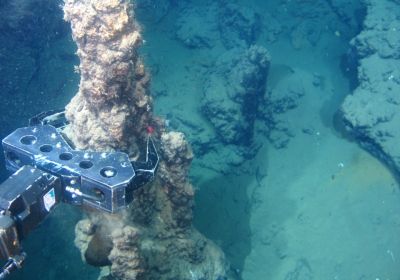
The controversial Ramu nickel mine near Madang in Papua New Guinea has come under fire for new claims of environmental damage.

The mine has been the subject of a long-running battle with locals over plans to pump 100 million tonnes of mine waste into Basamuk Bay over 20 years. The dumping threatens the pristine ecosystem of the area as well as the livelihoods of local people.

PNG gas project fuels discontent

The presence of police and mobile brigade soldiers at construction sites for the PNG LNG (liquefied natural gas) project in Papua New Guinea ― majority owned by Exxon Mobil ― is an indication of the community discontent surrounding the project.

Fears have been raised that conflict over the project could provoke violence like that of Bougainville in the 1990s.

PNG people protest against gov't power wars

The crisis embroiling the government of Papua New Guinea has taken new turns as sections of the establishment struggle for power. Public outrage has grown against new laws that undermine the country's constitution.

Just days after pledging it would not use the new powers of the Judicial Conduct Act to suspend judges, the government of Prime Minister Peter O'Neill suspended Chief Justice Sir Salamo Injia and Justice Nicholas Kirriwom on April 4.

Papua New Guinea: Revolt forces gov't back down

The Papua New Guinean government has backed down in the face of a society-wide revolt over its new power to suspend judges. Prime Minister Peter O'Neill said the law would not be implemented until public consultations were carried out.

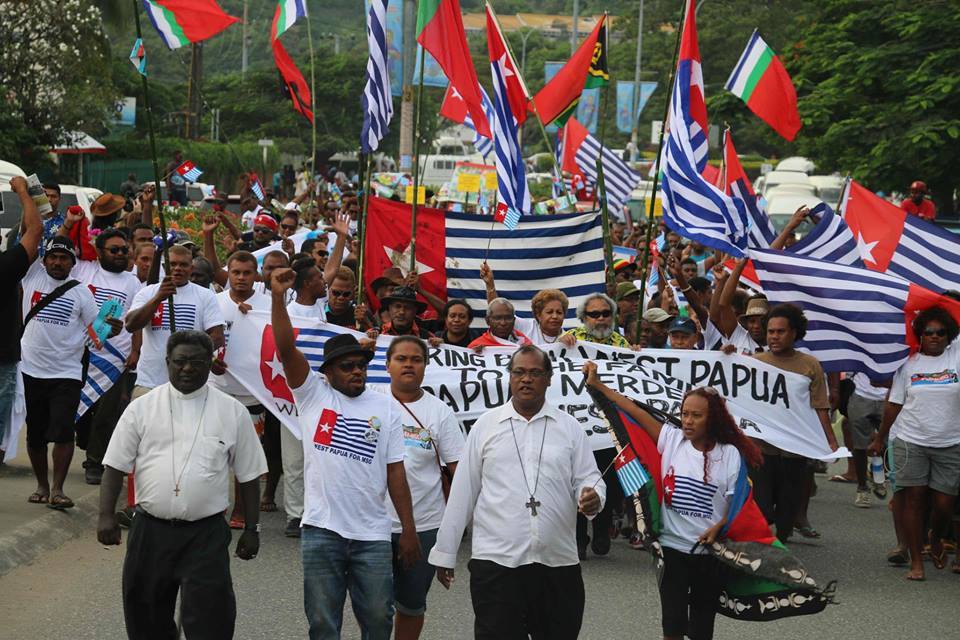
Thousands of students from the University of PNG rallied in Port Moresby on March 23. Students said in a statement that the law undermines the constitution by removing the separation between the government and courts.

Death sparks new controversy over mine waste dump

Tensions were high after a prominent supporter of the controversial Ramu nickel mine near Madang in Papua New Guinea died suddenly on January 3.

This comes after the PNG Supreme Court rejected an appeal on December 22 against the decision to allow the Ramu mine operators to dump 100 million tonnes of toxic mine tailings into Basamuk Bay over 20 years.

Papua New Guinea: Landowners resist illegal logging

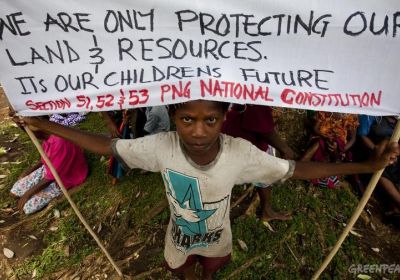
The role of notorious Malaysian-owned logging company Rimbunan Hijau (RH) is in the spotlight after Greenpeace activists blockaded one of its ships in Papua New Guinea on October 24.

Greenpeace was supporting about 200 local landowners from West Pomio, in New Britain, who were protesting against what they say was illegal logging by RH, AAP said on October 24.

Forty-thousand hectares of land was leased to RH — operating under a front company called Gilford — for 99 years for a palm oil plantation, without the consent of all landowners.

Gillard revives ‘Pacific solution’, reopens Manus Island

Federal Labor MP Anna Burke captured the Gillard government’s increasingly right-wing refugee policy when she said plans to reopen the Manus Island detention centre in Papua New Guinea would be “going back to something we said we wouldn’t do, which is the Pacific solution”.

Burke told ABC news on August 15 she had raised concerns in caucus about an overseas detention centre as well as the “Malaysia solution”, which faces a legal challenge in the High Court and could also be subject to a parliamentary inquiry.

Papua New Guinea: Mine wins right to dump toxic waste

Papua New Guinea's National Court ruled in favour of the owners of the controversial Ramu nickel mine in Madang on July 26, allowing the dumping of millions of tonnes of mine waste into the sea.

The dumping will devastate the Basamuk Bay area, putting the environment and people's lives at risk. It is a key area for biodiversity and is vital for the livelihood and food security of the local community.

PNG: Foreign companies profiting from carbon scams

The government of Papua New Guinea has been awarded Greenpeace’s “Golden Chainsaw” award in response to its corrupt, anti-environment forestry policies.

In a report released on October 25, the environmental advocacy organisation said PNG should not be allowed to take part in the controversial Reduced Emissions from Deforestation and Degradation (REDD) carbon trading program until “safeguards for biodiversity and indigenous and landowners’ rights and ending the corruption and illegal logging” are in place.

Papua New Guinea: Mine owners try to silence critics

Owners of the Hidden Valley gold mine in Morobe province, Papua New Guinea, have tried to silence critics of the environmental damage created during the mine’s construction, Little Green Palai said on October 25.

Members of campaign group Union of Watut River Communities (UoWRC) have been issued restraining orders by owners Morobe Mining Joint Venture (MMJV). The owners demanded they stop spreading information about the mine's impact on the community and environment, the article said.

Syndicate content